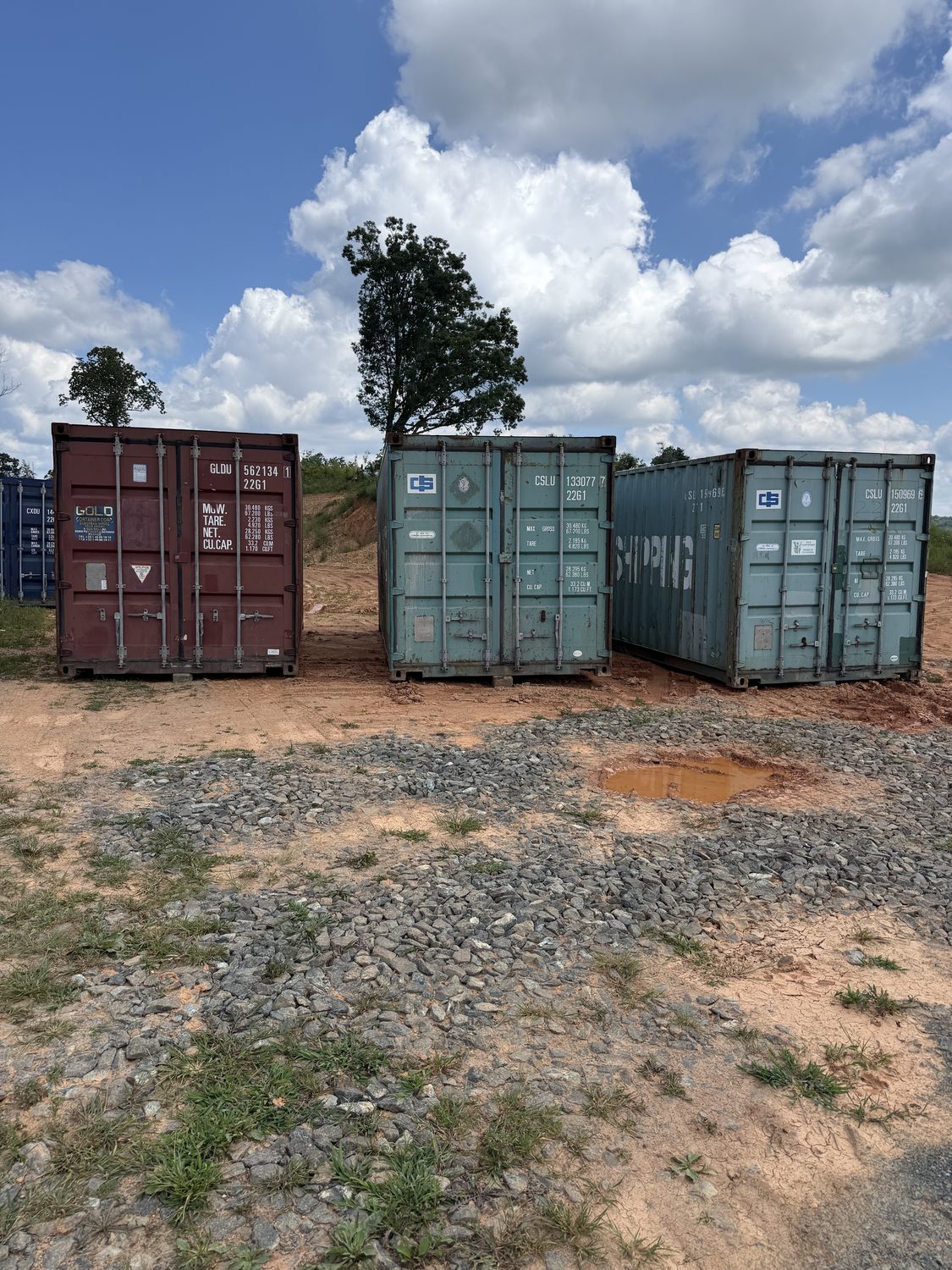
Here's the checklist up front. Before any money changes hands, verify twelve things: the doors swing and seal, the gaskets are intact, the floor is solid, the roof isn't rusted through, any rust is surface-deep, no daylight shows from inside, nothing smells chemical, the corner castings are sound, the crossmembers under the floor are solid, the lockbox is straight, the data plate is present, and the frame sits level. Pass all twelve and you've found a good box.
A used cargo-worthy container is one of the best steel-for-the-dollar buys there is, the same roughly 30-year Cor-Ten steel as a new unit at a fraction of the price. But "used" covers everything from honest wear to a box that should have been scrapped years ago. This guide walks the full inspection in order, tells you what's normal on a working container and what's a walk-away, and shows you how to take the risk out of the purchase entirely.
How to use this checklist
You need about fifteen minutes, a flashlight, and something safe to stand on for a look at the roof. Go in expecting cosmetic wear: faded paint, scuffs, dents, and surface rust are all normal on a container that's crossed an ocean for a decade, that wear is exactly what earned you the discount. What you're hunting is the structural stuff: rot, rust-through, racking, and contamination. If you're not sure where a given box should sit on the quality ladder in the first place, our container grades guide explains what one-trip, cargo-worthy, and wind and water tight actually mean.
Work the points in order, doors first, then the shell, then inside with the doors closed, then underneath and around. And bring your phone: photos of anything questionable either earn you a better price or give you a clean reason to move to the next unit in the row.
The 12-point walk-around
- Doors swing freely and seal. Open both cargo doors all the way and close them again. Stiff hinges just need grease, but a door that binds, drags, or won't line up with its locking bars usually means the frame has been racked out of square, a much harder problem than it looks.
- Door gaskets are intact. The rubber seals around both doors are what keep wind-driven rain out. Look for cracking, crumbling, or sections pressed flat. Gaskets are replaceable, but a worn set is a leak waiting on the first storm, and a fair bargaining point.
- The floor is solid. Container floors are marine-grade plywood over steel crossmembers. Walk the full length and press down hard on your heels: soft or spongy spots mean water damage or rot underneath. Old stains are cosmetic; flex is not.
- Check the roof from above. The check most buyers skip. Shallow dents that pond water are common and mostly cosmetic while the paint holds, but bubbled, flaking patches or spots gone through to rust-through are a walk-away. Never judge a roof from the ground.
- Surface rust, not scale rust. Surface rust is normal on used steel and sands or paints away. Scale rust, thick, flaking layers with deep pitting, means the steel itself is going. Scale on the roof, corner posts, or around the door frame is a deal-breaker.
- The light test. Step inside and have someone close both doors behind you. Once your eyes adjust, every pinhole shows up as a bright point of daylight, in the walls, the roof, or around the seals. A sound container is pitch black inside. Fifteen seconds, and it catches what a walk-around can't.
- The smell test. While you're in there, breathe. A strong chemical or solvent odor can mean a contaminated load history, not the box for feed, furniture, or anything your family will touch. Musty means moisture got in somewhere; go back and find out how.
- Corner castings are intact. The eight cast-steel corners do all the lifting and stacking. Cracks, tears, or mushroomed edges mean the box has been slammed around, and those corners are what a crane or tilt-bed grabs the day you ever move it.
- Crossmembers under the floor. If the container is up on blocks, look underneath. The steel crossmembers carry everything the floor carries; surface rust down there is expected, but rusted-through or bent members mean sagging floors ahead.
- Lockbox present and straight. A welded lockbox shrouds your padlock from bolt cutters. Check that it's there, square, and shows no pry marks. Every container we sell leaves with one welded on.
- Data plate present. The CSC data plate on the left door is the container's birth certificate, build year, ratings, inspection record. A missing plate isn't fatal for a static storage box, but it erases the paper trail, so ask why it's gone.
- The frame sits level. Step back and sight down the top rail. On level ground a straight container bears evenly on all four corners. A twisted or racked frame never lets the doors seal right, and loading it only makes things worse.
The sight-unseen trap
Here's the honest part: the biggest risk in buying used isn't rust, it's buying a container you've never laid eyes on. Many of the cheap listings online are brokered boxes sitting in a depot several states away. You wire money against three photos taken at a flattering angle, a truck you've never dealt with drops the unit, and every soft spot and pinhole becomes your problem the moment it touches your ground. If a listed price looks impossibly low, our container prices guide covers what a fair number actually looks like, and why the outliers usually cost more in the end.
Buying local fixes this completely. Walk the rows, run all twelve points with your own hands and your own flashlight, and tag the exact box you want, and that exact box is the one that shows up on the truck. That's the whole reason our yard and sales lot are open to buyers instead of hidden behind a website.
What we check before a box leaves our yard
Every used container we sell gets the same inspection you just read, because we're the family that unloads, stores, and delivers these boxes, not a call center reselling photos. We don't sell units with holes, soft spots, or patched-over rot, period. Wind and water tight is the floor for anything on our lot: weather stays out, the inside stays dry, and the doors swing and seal the way they should.
Better yet, come run the checklist yourself. Walk the yard at 5567 Elk Horn Rd in Woodlawn or the sales lot at 2220 E Lee Highway in Wytheville, Monday through Friday, 8 a.m. to 5 p.m., bring this page and a flashlight, we mean it. Used 20-ft units start at $3,200 with free delivery and leveling within 75 miles of Woodlawn, and you can compare every size and grade on our container sales page. Curious about a specific unit? Call (276) 237-6144 and we'll tell you exactly what's in the rows this week.